

Published PEMF research cannot by itself establish a health outcome for the P93 foot wellness device. Research tests particular devices, field settings, exposure methods and populations. Importers evaluating P93 should separate that literature from the evidence for the exact unit they plan to sell: its current manual, electrical label, measured output, safety documentation and permitted market claims.
What is PEMF, and why is the research device-specific?
PEMF means pulsed electromagnetic fields: an electrical system changes a magnetic field over time. In research, a result applies to the tested configuration and study conditions, not to every product labelled “PEMF.” A systematic review of laboratory PEMF studies notes that frequency, intensity, waveform, exposure time and cell type vary across experiments. Laboratory findings are not equivalent to clinical evidence for a consumer foot device.
Some regulated PEMF systems have been studied for specific medical indications. That is a different category from a wellness product. The US FDA’s bone-growth-stimulator review describes device-specific indications and technologies. It does not authorize the same claims for P93. A distributor should never transfer a study result, approval or intended use from another manufacturer’s device to P93.
What can a buyer verify about P93?
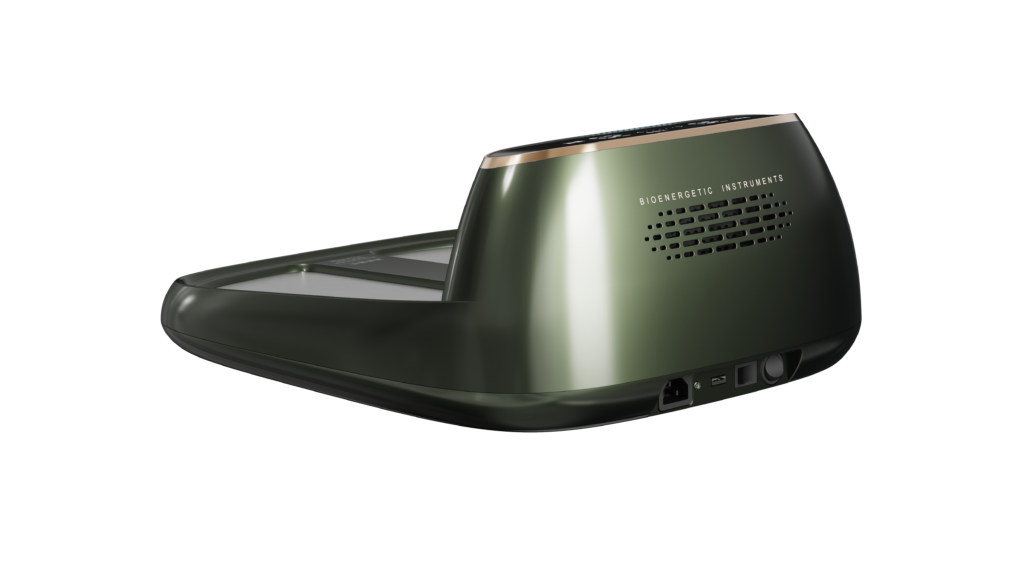
The P93 product page presents a foot-contact wellness device. The supplier’s P93 product introduction lists a 160 W rated-power version and an AC 220 V supply. P93 is powered by a mains plug; it is not a battery or rechargeable model. These are equipment descriptors, not measured PEMF field strength or proof of a biological effect. The ordered voltage and plug must match the current rating label, quotation and destination market.
| Question | Evidence to request for the exact P93 revision | What the information does not prove |
|---|---|---|
| What is supplied? | Model label, photographs, current manual, accessories and packaging list | A marketing rendering alone does not identify every production component. |
| What is the electrical version? | Rating label, input-power specification, cord and plug configuration | 160 W input power is not magnetic-field strength. |
| What is the PEMF output? | Waveform, field-strength measurement, frequency, mode, sensor position and report holder | A control-panel number alone does not define exposure. |
| What does “terahertz” mean here? | Independent, configuration-specific spectral method, frequency range and measurement report | The word “terahertz” does not establish an emission spectrum or penetration depth. |
| What claims may be used? | Target-market regulatory review and evidence for each proposed claim | A study on another device is not P93 clinical validation. |
How should PEMF and terahertz claims be kept separate?
PEMF describes a pulsed-field operating principle. Terahertz is a frequency unit; NIST defines 1 THz as 1012 Hz. These are not interchangeable descriptions of a single control setting. If a P93 sales sheet uses both terms, request a separate technical basis for each one. Ask where the output was measured, which mode was active, which instrument was used and whether the report identifies the same production revision.
This matters in international distribution. Product pages, packaging and distributor training should distinguish an equipment feature from a demonstrated health outcome. Avoid claims that P93 treats pain or inflammation, changes circulation, recharges cells, produces a specified tissue penetration depth or delivers an FDA-cleared treatment unless exact-model evidence and market authorization support the wording.
A practical P93 OEM and distributor review
Start with one approved sample and one controlled specification. Ask the supplier to identify the model revision, electrical version, user-contact surfaces, cleaning instructions, accessories and carton contents. Next, review any output report against the actual sample and compare the report holder, test date, measuring method and units. For private label work, approve the artwork, manual language and packaging proof before mass production. Keep a written acceptance list rather than relying on a general brochure.
- Confirm the exact sample: photograph its serial/model label, control interface and accessories.
- Confirm electrical compatibility: obtain the destination-market supply and plug specification in writing.
- Separate output claims: request PEMF field data and any terahertz spectrum data as different documents.
- Review safety and wording: align the manual and sales copy with the intended wellness positioning.
- Lock the commercial terms: define sample approval, branding, carton proof, inspection and after-sales contacts.
For pricing, private-label questions and model comparison, use the existing P93 wholesale buying guide. The PEMF foot-device manufacturer page explains the broader sourcing range; its other models should not be treated as having P93’s specifications.
Frequently asked buyer questions
Does published PEMF research prove that P93 treats a disease?
No. That would require evidence and authorization for P93’s exact configuration and claim.
Is P93 rechargeable?
No. P93 is a mains-powered product; verify the plug and electrical rating of the ordered version.
Does a 160 W rating describe the PEMF field?
No. Rated electrical power and measured magnetic-field output are different quantities.
What should I request before listing “terahertz”?
Request the measured frequency range, method, instrument, mode and report for the exact unit.
What information helps Youborui prepare an OEM quotation?
Send destination country, estimated volume, plug requirement, branding, manual language and required documents.
Evaluate P93 for your market. See the P93 product details, then submit a model-specific request through the Youborui OEM and distributor RFQ center. Ask for the latest manual, approved sample and any available test reports before publishing local technical claims.
Editorial note: This is a procurement and evidence-review guide for wellness equipment, not medical advice or a claim that P93 diagnoses, treats, cures or prevents disease.