

Hydrogen-rich water has attracted interest in exercise recovery, metabolic health, uric acid, skin care, gut health and quality of life. Some human studies report promising changes in selected outcomes, but the overall evidence is still developing. Results vary with hydrogen concentration, serving size, timing, participant group and study design.
The most responsible conclusion is not that hydrogen-rich water “treats” a long list of diseases. It is that dissolved molecular hydrogen is being studied as a wellness and research intervention, with encouraging signals in several areas and important limitations in each.
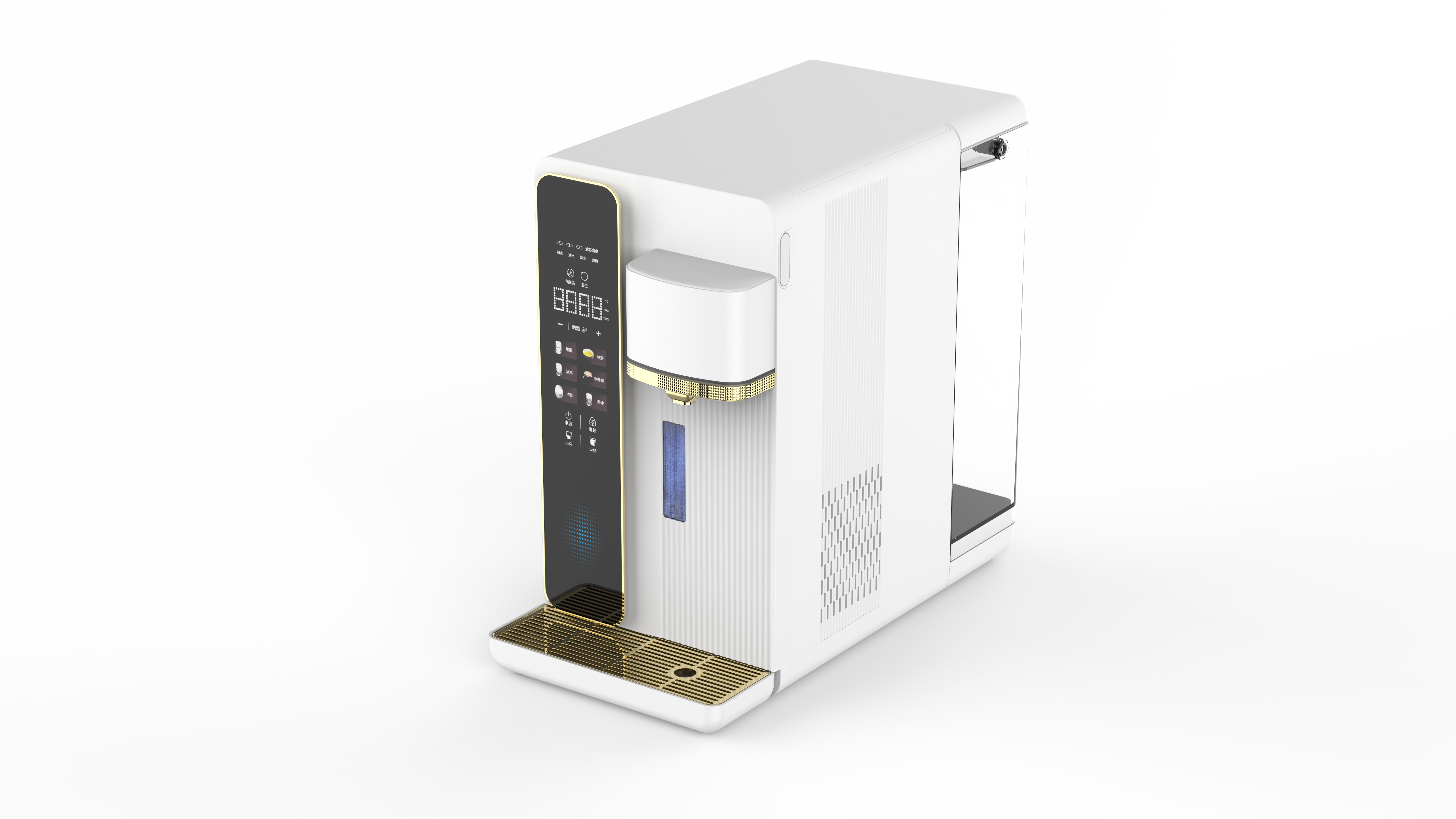
What is hydrogen-rich water?
Hydrogen-rich water is water containing dissolved molecular hydrogen (H2). It is not the same as hydrogen peroxide, and it is not automatically the same as alkaline water. A product may change pH and dissolved hydrogen together, or it may primarily add dissolved H2, depending on the technology.
Dissolved hydrogen gradually escapes after production. This means the concentration at the moment of drinking can differ from the concentration measured immediately at the generator. Container sealing, temperature, headspace, storage time and testing method all affect the result.
For a wider explanation of inhalation and other routes, read What Is Hydrogen Therapy? Methods, Evidence and Safety.
Why are researchers studying molecular hydrogen?
Laboratory research has examined how molecular hydrogen may influence redox signalling, oxidative-stress responses, inflammation-related pathways, mitochondrial activity and gene expression. The familiar phrase “selective antioxidant” comes from early experimental work, but it should not be interpreted as proof that drinking hydrogen-rich water reliably removes harmful radicals throughout the human body.
Human trials measure specific outcomes under defined conditions. A change in one biomarker does not automatically establish disease prevention, slower ageing or clinical recovery.
Potential benefit 1: exercise fatigue and recovery
Exercise is one of the better-studied human applications, but the findings are mixed. A 2023 systematic review and meta-analysis covering 17 publications and 402 participants reported small improvements in perceived exertion and blood lactate. It did not find a significant improvement in VO2max, VO2peak or endurance performance.
Individual trials have produced both positive and neutral findings. Some report changes in power output, soreness or recovery markers; others report no meaningful improvement in running performance or major recovery outcomes. Protocols also vary substantially in hydrogen concentration, consumption timing and training status.
Practical interpretation: hydrogen-rich water may be of interest as an experimental hydration option for some athletes, but it should not be advertised as guaranteed to prevent muscle damage, eliminate lactate or accelerate recovery.
Potential benefit 2: metabolic biomarkers
Several small controlled studies have investigated glucose, lipids, inflammation and body-composition markers. A 24-week randomized controlled trial involving 60 people with metabolic syndrome reported changes in selected cholesterol, glucose and inflammation measures. An earlier crossover study enrolled 30 people with type 2 diabetes and six with impaired glucose tolerance and reported changes in selected lipid and oxidative-stress markers.
These studies are useful signals, but they do not establish hydrogen-rich water as a treatment for diabetes, insulin resistance, fatty liver disease or obesity. Sample sizes were limited, study products and concentrations differed, and medication or lifestyle management must not be replaced.
Practical interpretation: metabolic effects remain a research topic. People with diabetes or other metabolic conditions should follow their clinician’s plan and monitor health markers through established care.
Potential benefit 3: blood uric acid
A 2024 randomized placebo-controlled study followed 100 participants with hyperuricaemia who completed eight weeks of placebo, lower-dose or higher-dose hydrogen-rich water. The high-dose group showed a reduction from its own baseline after eight weeks, and the authors reported a dose- and time-related signal.
One trial is not enough to conclude that hydrogen water treats hyperuricaemia or gout. The clinically important comparison is not only change from baseline, but also the difference versus placebo, consistency across trials, durability and effects on patient outcomes.
Practical interpretation: do not stop urate-lowering medicine or change a gout-management plan based on a hydrogen-water product.
Potential benefit 4: skin and ageing research
A six-month randomized pilot trial in 40 adults aged 70 or older assessed many molecular and functional outcomes. It reported differences in several selected measures, but most assessed outcomes did not differ significantly between groups. That pattern is exploratory, not proof that hydrogen water reverses ageing.
Topical research is even earlier. A 2025 pilot study of 15 participants reported changes in selected skin parameters after topical hydrogen-rich-water treatments, but it had no control group and a short follow-up. Older studies also involved very small samples.
Practical interpretation: “anti-ageing,” “removes wrinkles” and “repairs skin cells” are not appropriate guaranteed claims. Cosmetic hydration and refreshing positioning is more defensible unless stronger product-specific evidence is available.
Potential benefit 5: brain and neurological research
Cell and animal studies have explored molecular hydrogen in models of neurological injury and neurodegeneration. Human results are much less certain. Importantly, a randomized, double-blind pilot study of hydrogen inhalation in people receiving treatment for Parkinson’s disease found no significant clinical benefit over placebo during the study period.
Animal findings in Parkinson’s disease, Alzheimer’s disease or cerebral ischaemia cannot be converted directly into claims that hydrogen water protects neurons, improves cognition or supports stroke recovery in people.
Practical interpretation: hydrogen products must not be marketed as treatments for Parkinson’s disease, Alzheimer’s disease, stroke or other neurological conditions.
Potential benefit 6: quality of life during cancer treatment
A frequently cited randomized study involved 49 people receiving radiotherapy for malignant liver tumours. It reported better quality-of-life scores in the hydrogen-water group and no detected difference in tumour response during the study.
This single small trial does not prove that hydrogen-rich water relieves chemotherapy or radiotherapy side effects generally, and it does not establish that hydrogen cannot interact with every treatment. The result should not be broadened to all cancers, medicines, radiation protocols or hydrogen products.
Practical interpretation: people receiving cancer treatment should discuss every supplement and wellness product with their oncology team. Hydrogen water must never replace or delay treatment.
Potential benefit 7: gut health and microbiome research
A two-week double-blind randomized study compared purified tap water with hydrogen-dissolved alkaline electrolysed water. It reported changes in stool consistency and a specific bacterial group, while also stating that the overall microbiota did not change drastically. Because the intervention was alkaline electrolysed water, the effect cannot automatically be attributed to dissolved hydrogen alone.
Another study in young female football players examined antioxidant and microbiome measures, but the groups differed in some microbiome indices before the intervention. These design issues limit firm conclusions.
Practical interpretation: evidence does not currently support claims that hydrogen-rich water treats irritable bowel syndrome, inflammatory bowel disease or other gastrointestinal disorders.
Evidence summary for buyers
| Research area | Current human evidence | Responsible wording |
|---|---|---|
| Exercise fatigue | Several trials and meta-analyses; small effects in selected outcomes, mixed overall | “Studied for exercise fatigue and recovery” |
| Metabolic markers | Small controlled trials with promising biomarker signals | “Under investigation for selected metabolic markers” |
| Uric acid | One recent randomized trial with a dose-related signal | “Preliminary human research is available” |
| Skin and ageing | Small pilot studies; many outcomes uncertain | “Exploratory cosmetic and ageing research” |
| Neurological disease | Much preclinical research; limited and mixed human results | Do not make treatment or recovery claims |
| Cancer-treatment support | One small radiotherapy quality-of-life trial frequently cited | Do not generalise; require oncology guidance |
| Gut health | Small short-term studies, some with intervention confounding | “Early microbiome research” |
Safety and responsible use
“Water with dissolved hydrogen” should not be described as automatically risk-free. Product hygiene, materials, electrical safety, water quality and cleaning all matter. People managing a health condition should not use hydrogen water to replace medication, medical nutrition advice or professional care.
Hydrogen concentration also matters. Buyers should distinguish between concentration at generation and concentration at consumption, and between mg/L (ppm under common water conditions), ppb and total delivered hydrogen. Oxidation-reduction potential and pH are not substitutes for a direct dissolved-hydrogen measurement.
What should buyers check in hydrogen-water equipment?
- Measured dissolved-hydrogen concentration and test method.
- Test timing, water temperature and sample container.
- Electrolysis technology and gas–water contact design.
- Required feedwater and filtration configuration.
- Food-contact materials and model-specific test documents.
- Cleaning, descaling and membrane/electrode maintenance.
- Electrical version, labels, manual language and destination-market requirements.
- Advertising language that avoids disease-treatment guarantees.
Wholesale and private-label buyers can compare the W25 hydrogen water purifier dispenser, W23 hot and cold hydrogen water dispenser, H16 portable hydrogen water bottle and H7 hydrogen water bottle.
For the underlying electrolysis terminology, see SPE vs PEM Hydrogen Technology: What Buyers Should Know.
Frequently asked questions
Does hydrogen-rich water cure disease?
No. Current evidence does not establish hydrogen-rich water as a cure for diabetes, cancer, neurological disease, gastrointestinal disease or other medical conditions.
Is hydrogen-rich water the same as alkaline water?
No. Dissolved molecular hydrogen and pH are different measurements. Some electrolysis systems affect both, but high pH does not prove a high dissolved-hydrogen concentration.
Does more dissolved hydrogen always mean more benefit?
No standard dose has been proven optimal for every purpose. Concentration, total intake, timing and study population differ across research.
Can hydrogen water replace normal hydration?
It is still water, but users should maintain an appropriate overall hydration plan. Athletes and people with medical fluid restrictions should follow qualified professional guidance.
Selected human research
- Zhou K, et al. Molecular hydrogen supplementation, fatigue and aerobic capacity: systematic review and meta-analysis. 2023.
- LeBaron TW, et al. 24-week high-concentration hydrogen-rich water trial in metabolic syndrome. 2020.
- Kajiyama S, et al. Hydrogen-rich water and lipid/glucose metabolism in diabetes or impaired glucose tolerance. 2008.
- Wu F, et al. Hydrogen-rich water and blood uric acid: randomized placebo-controlled trial. 2024.
- Zanini D, et al. Six-month hydrogen-rich water pilot trial in older adults. 2021.
- Kang KM, et al. Hydrogen-rich water and quality of life during radiotherapy for liver tumours. 2011.
- Tanaka Y, et al. Hydrogen-dissolved alkaline electrolysed water, stool consistency and gut microbiota. 2021.
- Hirayama M, et al. Randomized pilot trial of hydrogen inhalation in Parkinson’s disease. 2021.
Educational notice: This article summarizes published research for consumers and B2B equipment buyers. It is not medical advice and does not establish that any Youborui product diagnoses, treats, cures or prevents disease.
Request hydrogen-water product specifications, wholesale pricing or OEM information.