

Hydrogen-rich water is being studied for possible effects on oxidative stress, inflammation and visible skin parameters. Early laboratory work and a small number of human studies offer interesting signals, but the evidence is not yet strong enough to promise wrinkle removal, treatment of sensitive skin or reversal of skin ageing.
This guide separates proposed biological mechanisms from demonstrated human outcomes. It also explains the practical factors—hydrogen concentration, freshness, delivery method and study design—that buyers should understand before evaluating hydrogen-water skin-care claims.
What is hydrogen-rich water?
Hydrogen-rich water contains dissolved molecular hydrogen (H2). It is not hydrogen peroxide, and it is not automatically the same as alkaline water. Molecular hydrogen is a small, neutral gas that can escape rapidly after water is generated or a container is opened.
Researchers have studied hydrogen-rich water by drinking it, bathing in it and applying it topically. These routes should not be treated as interchangeable. The amount of hydrogen reaching the skin depends on the starting concentration, water temperature, exposure time, container, delivery system and how quickly the water is used.
Potential skin benefits at a glance
| Proposed area | What research suggests | Current limitation |
|---|---|---|
| Oxidative-stress response | Cell, animal and mechanistic studies report changes in redox-related pathways. | A biological mechanism does not prove a visible anti-ageing result in people. |
| Inflammation-related signalling | Preclinical work reports effects involving NF-κB, Nrf2 and inflammatory mediators. | Effects vary by model, dose and condition; human confirmation remains limited. |
| Skin appearance | Small pilot studies have reported changes in pores, pigmentation or wrinkles. | Samples are small, and some studies lack a control group. |
| Inflammatory skin conditions | One controlled bathing study reported improvement in psoriasis measures. | This does not make consumer hydrogen water a replacement for dermatological care. |
| Barrier support | Reduced oxidative stress could theoretically support normal repair processes. | Direct clinical evidence for stronger barrier function and lasting hydration is insufficient. |
Why oxidative stress matters to skin
Ultraviolet radiation, air pollution, smoking and normal metabolism can increase reactive oxygen and nitrogen species. When production exceeds the skin’s antioxidant defences, oxidative stress can damage lipids, proteins and DNA and can influence collagen breakdown, pigmentation and inflammatory signalling.
Early molecular-hydrogen literature often describes H2 as a “selective antioxidant” that reacts with highly reactive species such as hydroxyl radicals. More recent reviews also discuss indirect effects on signalling and endogenous defence systems, including Nrf2-related pathways. These mechanisms remain active areas of research and should not be simplified into the claim that hydrogen water “removes all harmful free radicals.”
Proposed mechanism 1: redox signalling and antioxidant defence
Laboratory studies suggest that molecular hydrogen may influence cellular redox balance. Proposed actions include direct reactions under certain conditions and indirect regulation of antioxidant-response pathways. In skin models, researchers have examined keratinocytes, fibroblasts, ultraviolet exposure and markers of oxidative damage.
The consumer-relevant interpretation is cautious: hydrogen-rich water may support research on oxidative-stress responses, but no current evidence establishes that ordinary use prevents photoageing, restores lost collagen or reverses established wrinkles.
Proposed mechanism 2: inflammation-related pathways
Oxidative stress and inflammation are closely connected. Preclinical hydrogen studies report changes involving NF-κB, Nrf2 and cytokines such as TNF-α and IL-6. These observations provide hypotheses for human research, including research into inflammatory skin conditions.
However, “modulates an inflammatory pathway” is not the same as “treats redness” or “repairs sensitive skin.” Redness, itching and irritation can have many causes, including allergy, infection, rosacea, eczema and reactions to cosmetic ingredients. Persistent or severe symptoms require qualified medical assessment.
Proposed mechanism 3: cellular energy and repair
Mitochondria produce energy needed for normal cell maintenance and are also involved in oxidative signalling. Some molecular-hydrogen research explores mitochondrial function, apoptosis and cellular stress responses. This has led to the hypothesis that H2 might help maintain conditions that support normal repair.
Claims that hydrogen water directly increases ATP, produces ceramides or rebuilds the skin barrier in users go beyond the available clinical evidence. Those outcomes require direct measurement in well-controlled human trials.
What have human skin studies found?
A six-person hydrogen-bathing study
A 2011 paper combined cell experiments with an uncontrolled human bathing observation. Six Japanese participants used hydrogen-rich warm-water bathing daily for three months. The researchers reported improvement in neck wrinkles in four participants. The sample was extremely small, and there was no randomized control group, so the finding is preliminary.
A controlled study in psoriasis and parapsoriasis
A 2018 study evaluated an eight-week course of hydrogen-water bathing in people with psoriasis or parapsoriasis en plaques. The report found improvements in several disease-severity and quality-of-life measures. This is a specific clinical context and does not establish hydrogen-water bathing as a standard treatment or justify stopping prescribed therapy.
A 15-person topical pilot study
A 2025 pilot study applied hydrogen-rich water topically to 15 healthy adults for four weeks. The researchers reported a statistically significant reduction in pore visibility and exploratory improvements in several other skin parameters. The study had no control group and a short follow-up, which means natural variation, measurement effects and other factors cannot be excluded.
Reviews of skin and cosmetic research
Reviews published in 2021 and 2025 describe promising laboratory and early clinical findings across dermatology and cosmetic research. Both the range of proposed applications and the gaps are important: optimal concentration, dose, delivery, durability and long-term safety remain insufficiently standardized.
Drinking versus topical use
| Route | What it involves | What buyers should know |
|---|---|---|
| Drinking hydrogen-rich water | H2 is consumed through the gastrointestinal route. | Any skin effect would be systemic and indirect; skin-specific human evidence is limited. |
| Topical application | Fresh hydrogen-rich water contacts a localized skin area. | Dissolved H2 dissipates quickly; exposure and delivered dose are difficult to standardize. |
| Hydrogen-water bathing | A larger skin surface is exposed for a defined period. | Temperature, bath volume, concentration and continuous hydrogen generation affect exposure. |
It is too absolute to say that molecular hydrogen cannot move beyond the skin surface: H2 is a very small, diffusible molecule. The better scientific question is whether a given topical method delivers a measurable concentration to the relevant tissue for long enough to produce a clinically meaningful effect. Current evidence does not provide a universal answer.
Why hydrogen concentration and freshness matter
Hydrogen is volatile. A number printed on a generator or package does not guarantee the concentration at the moment of use. Reliable evaluation should consider:
- measured dissolved-hydrogen concentration rather than oxidation-reduction potential alone;
- the test method and measurement point;
- water temperature and mineral composition;
- time between generation and use;
- container material, seal and headspace;
- cleaning requirements and materials that contact water;
- whether results are model-specific and independently documented.
For a broader evidence review, see Hydrogen-Rich Water Benefits: What Human Research Shows.
What hydrogen-rich water should not be claimed to do
Based on current evidence, responsible product information should not promise that hydrogen-rich water:
- eliminates wrinkles, age spots, acne, eczema, psoriasis or rosacea;
- rebuilds collagen or the skin barrier in every user;
- replaces sunscreen, moisturiser or prescribed dermatological treatment;
- detoxifies the skin or permanently neutralizes all free radicals;
- produces the same effect regardless of concentration, delivery route or exposure time;
- has no possible risk for every person and every pattern of use.
A practical skin-care perspective
Hydrogen-rich water should be viewed as an emerging wellness and research category, not a replacement for established skin care. Daily broad-spectrum sunscreen, appropriate moisturisation, avoiding smoking and receiving professional assessment for persistent skin problems have much stronger practical foundations.
People with open wounds, active infection, severe dermatitis or known sensitivity should seek professional advice before trying a new topical routine. Drinking hydrogen-rich water should not delay diagnosis or treatment of any medical condition.
Hydrogen-water equipment for wholesale buyers
Distributors should separate equipment specifications from skin-benefit marketing. Evaluate water-contact materials, filtration, measured dissolved hydrogen, flow rate, cleaning instructions, electrical compliance, packaging and destination-market claim rules.
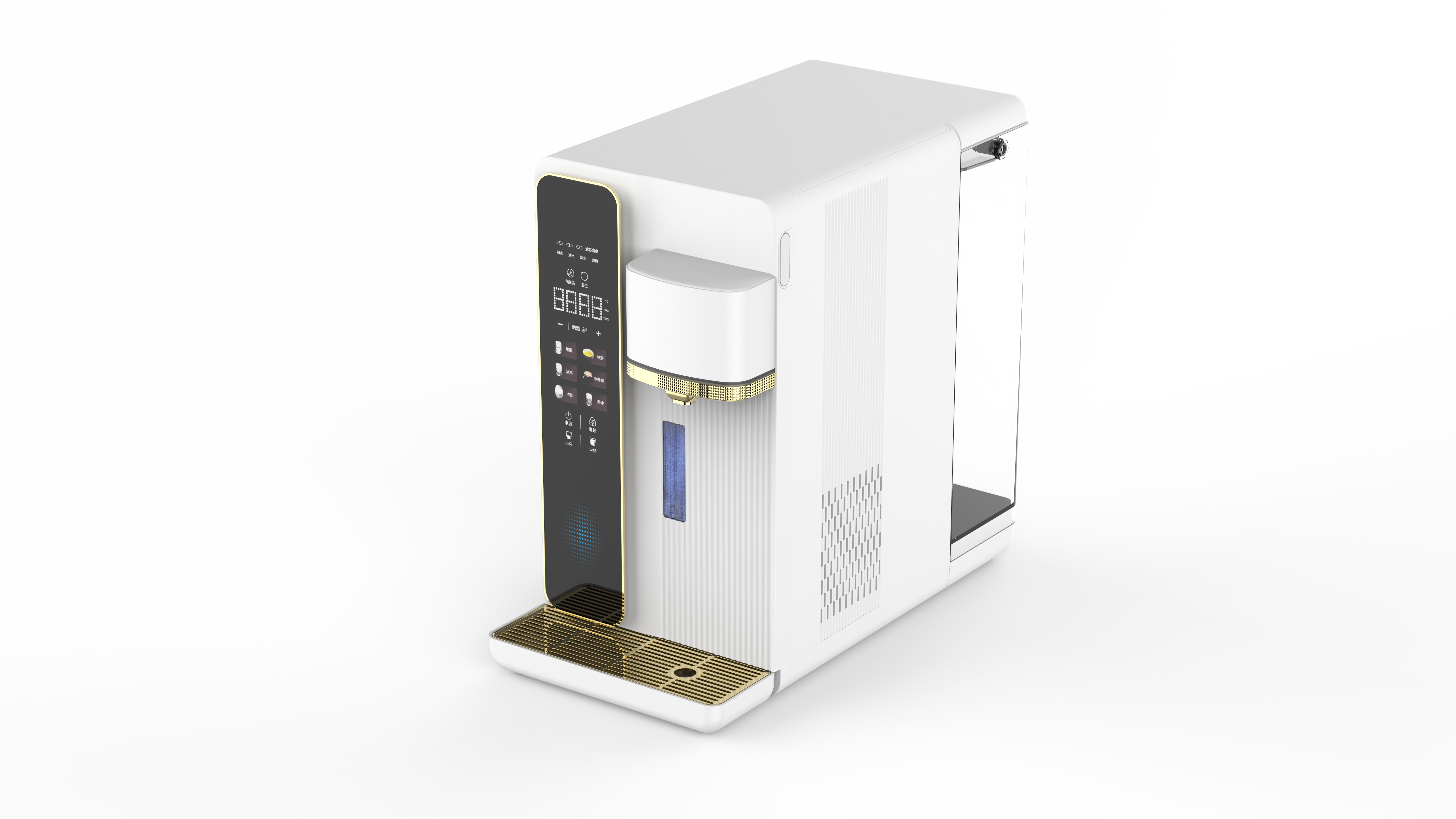
Youborui offers hydrogen-water formats for OEM and wholesale evaluation, including the W25 hydrogen-water purifier dispenser, W19Pro hydrogen-water dispenser, H16 portable hydrogen-water bottle and H7 portable hydrogen-water bottle.
For sourcing comparisons, read W23 vs W25 Hydrogen-Water Dispenser Comparison and H7 vs H16 Hydrogen-Water Bottle Guide.
Frequently asked questions
Can hydrogen-rich water remove wrinkles?
No reliable evidence shows that it removes wrinkles. Very small pilot studies report preliminary changes, but larger randomized controlled trials are needed.
Can I use freshly generated hydrogen-rich water on my face?
Topical use has been studied, but no universal clinical protocol exists. Avoid the eye area and broken skin, stop if irritation occurs and follow the device manufacturer’s intended-use instructions.
Is drinking hydrogen-rich water proven to improve skin?
Skin-related outcomes have appeared in small studies, but drinking hydrogen-rich water is not established as a treatment for skin ageing or disease.
Does a more negative ORP mean more hydrogen?
No. ORP is influenced by pH, minerals and other factors. Dissolved molecular hydrogen should be measured directly with an appropriate method.
How long does hydrogen remain in water?
There is no single storage time. Loss depends on temperature, agitation, container permeability, seal, headspace and starting concentration. Fresh measurement is more useful than a generic claim.
Selected research references
- Bajgai J, et al. Role of Molecular Hydrogen in Skin Diseases and its Impact in Beauty. Current Pharmaceutical Design. 2021.
- Guo N, Zhang Y. Progress in the Application of Molecular Hydrogen in Medical Skin Cosmetology. 2025.
- Zhu Q, et al. Positive effects of hydrogen-water bathing in patients of psoriasis and parapsoriasis en plaques. Scientific Reports. 2018.
- Debkowska N, et al. Topically Applied Molecular Hydrogen Normalizes Skin Parameters Associated with Oxidative Stress: A Pilot Study. Antioxidants. 2025.
- Shin MH, et al. Hydrogen-rich electrolyzed warm water and UVA-related skin models. 2012.
- LeBaron TW, et al. Oxidative Stress and Pathways of Molecular Hydrogen Effects in Medicine. 2020.
Educational notice: This article summarizes emerging research and does not provide medical advice. Hydrogen-water products are not represented here as diagnosing, treating, curing or preventing disease. Claims and intended use must comply with the destination market.
Request hydrogen-water model specifications, OEM/ODM options and wholesale information.